
How can we create better conditions for young people in foster care? INVI is mapping the collective knowledge across stakeholders in the foster care sector to deepen our understanding of the challenges and establish a common foundation for action.
Period: 2026–
Partner: The Bikuben Foundation
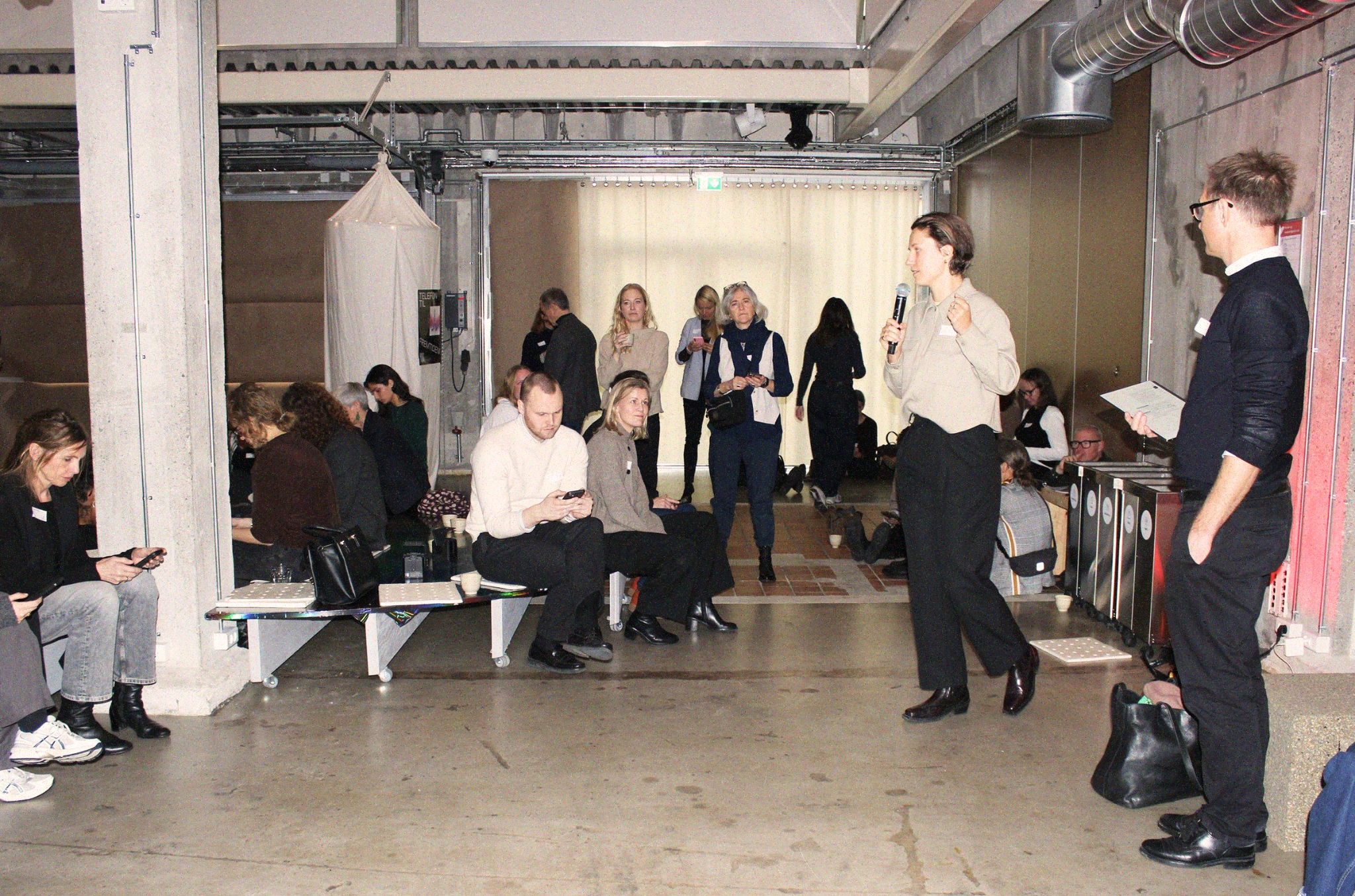
Photo: The Bikuben Foundation
The project in 5 points:
The project is being carried out in collaboration with the Bikuben Foundation as part of a broader initiative in the area of foster care
50–80 stakeholders with various connections to the foster care sector are sharing their perspectives on challenges, barriers, and possible solutions
The analysis provides a comprehensive overview of the issues across sectors and disciplines
The results highlight both shared understandings and key points of conflict among stakeholder groups
The insights are used to inform future initiatives and develop scenarios and solution models
About the project
In 2026, INVI will conduct a survey of the collective knowledge among key stakeholders in the field of foster care in collaboration with the Bikuben Foundation. The project is part of a broader initiative focused on creating better conditions for young people in foster care, so that they have greater opportunities to develop and take an active role in shaping their own lives.
The purpose of this mapping exercise is to establish a shared knowledge base that can strengthen collaboration across organizations, professional groups, and sectors. By engaging 50–80 individuals—from fields such as research, NGOs, local governments, and private companies—we are gathering and analyzing a wide range of perspectives and opportunities within the system.
The analysis provides a comprehensive overview of how different stakeholders perceive the issue and where there is consensus and disagreement, respectively. By clarifying both common directions and key tensions, a better foundation is created for dialogue, prioritization, and the development of new initiatives. The insights are used, among other things, in further mission work, where they serve as the basis for future workshops and the development of scenarios and solution models.
This is how we do it
Using the wicked Model, we identify barriers in today’s foster care system and solutions for the future. Data is collected as open-ended, qualitative audio or text input through our app, Involve.
You can read more about how Involve works here.
In this project, we have worked on:
Mapping and analysis: To ensure a nuanced picture, between 50 and 80 practitioners, decision-makers, and other stakeholders share their perspectives on the challenges, causes, and solutions in the field of foster care.
Data and interpretation: The input is analyzed with a focus on both shared understandings and key differences among stakeholder groups—including where points of conflict or differing priorities arise.
Dissemination: The study’s key findings will be presented to the stakeholder group in June 2026, where they will serve as a basis for joint reflection, dialogue, and further mission work.
Further work and dissemination
You can read more about the Bikuben Foundation’s work with teenagers and children in foster care here.
Our team
Sofie Burgos-Thorsen (Project Manager)
Mads Højmark Pedersen